Winter in Maryland and Delaware brings nor'easters, ice, wind and heavy wet snow, and the yard work you do in fall decides how much damage those storms do. A little preparation before the first freeze prevents the split limbs, drowned plants and cracked hardscaping that a hard winter otherwise delivers. The biggest risk is trees: weak and overgrown limbs are the ones that come down on roofs and cars under ice and wind. But drainage, plant protection and hardscaping care all matter too. This guide walks through getting your yard ready for winter storms, in the order that makes sense, so you head into the cold season with less to worry about and less to clean up come spring.
Trees First: Trim Before the Storms
The single most important winter prep is dealing with trees, because a failing limb under ice or wind is what causes the worst storm damage. Fall is the time to trim: removing dead, weak, crossing and overgrown limbs before winter loads them with ice and snow. Thinning the canopy lets wind pass through instead of catching it like a sail, which lowers the chance of the whole tree failing. Limbs hanging over the roof, the driveway or power lines are the priority, since those are what cause damage and danger when they drop. This is skilled, sometimes dangerous work near structures, so it's worth having a crew handle the trimming before the first big storm, not after it hits.
Sort Out Drainage Before It Freezes
Water is winter's quiet troublemaker. Areas that pool in fall become ice sheets in winter, dangerous underfoot and hard on everything they sit on. Water that collects against the foundation freezes, expands and does real damage. So fall is the time to fix drainage problems before the ground freezes and makes the work impossible. Clear any existing drains and downspouts so meltwater has somewhere to go. If you've got a chronic wet spot or water running toward the house, address it now, because you can't dig a frozen yard mid winter. Getting water moving away from the house and off walkways before the first freeze prevents a whole season of ice and damage.
Protect Plants and Beds
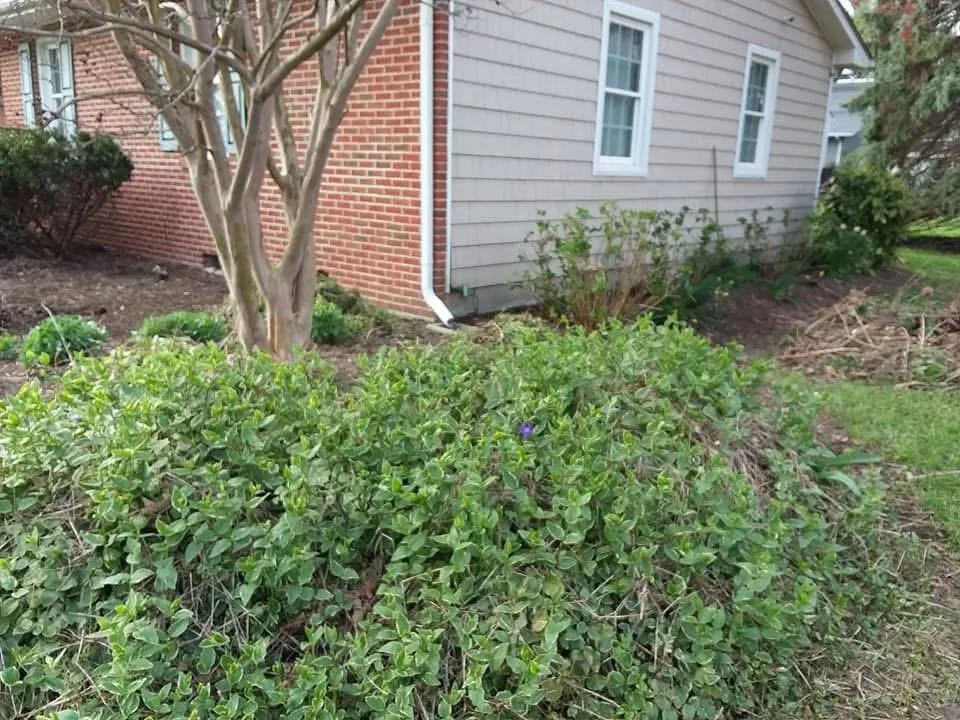
Some plants need help getting through a Maryland or Delaware winter, especially newer plantings and anything tender. A layer of mulch over beds insulates roots against the freeze and thaw cycles that heave plants out of the ground. Young trees and shrubs may need wrapping or shelter from wind and heavy snow. On the coast, salt and wind add stress, so exposed plantings need extra protection. Cutting back perennials and cleaning up beds removes the dead material that harbors pests and disease over winter. None of this is complicated, but doing it before the first hard freeze rather than after means your plants come through winter ready to grow, not damaged and set back.
Don't Forget the Hardscaping
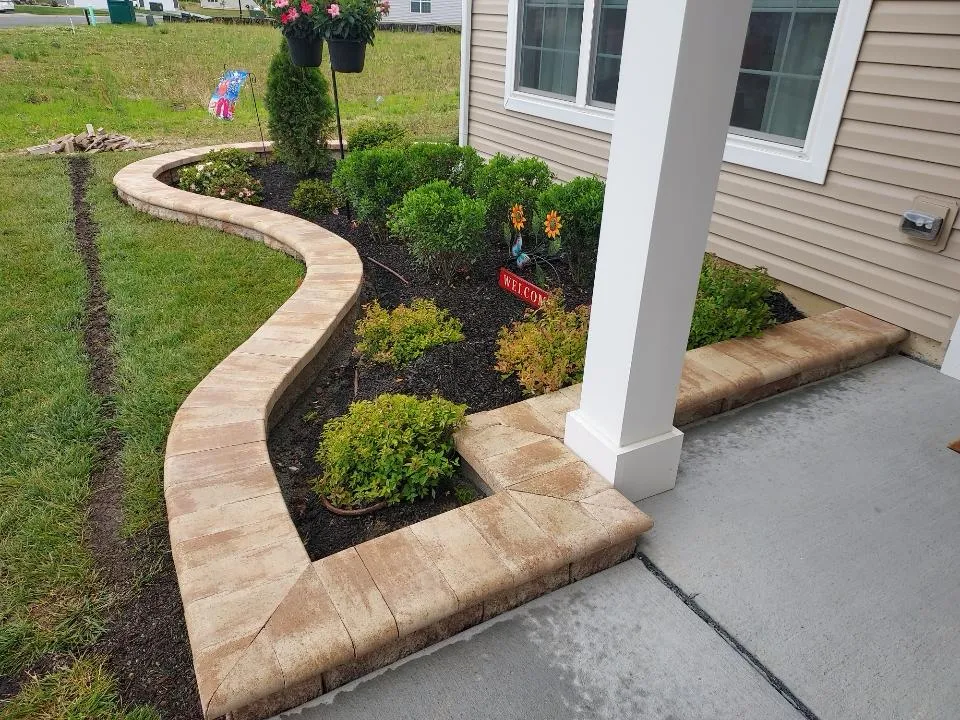
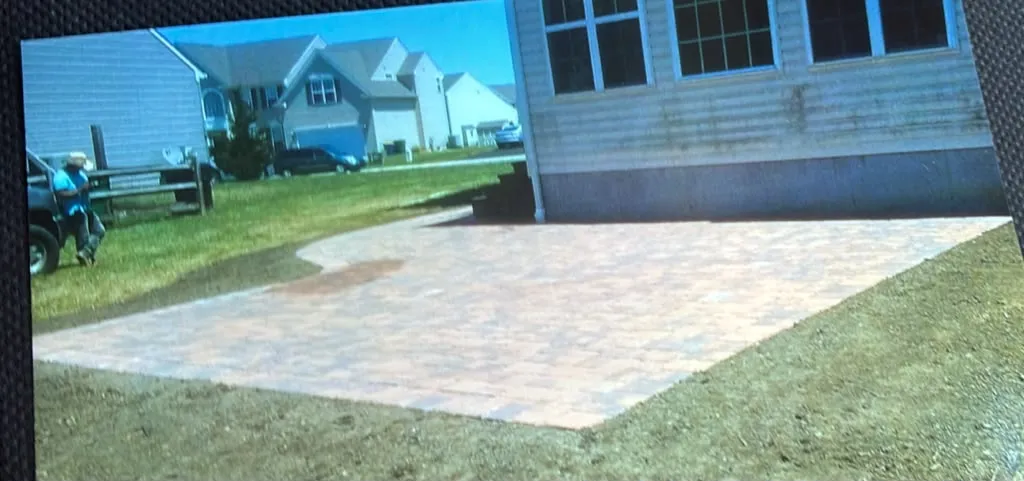
Your patio, walls and driveway need a little winter thought too. Make sure drainage around and under hardscaping is clear, since water that collects and freezes is what cracks and heaves surfaces. Clean off leaves and debris that trap moisture against pavers and stone. Be careful with de icing salts on concrete and some pavers, since certain products damage the surface over time, so know what's safe for yours. If a wall or patio already shows signs of movement or drainage trouble, winter will make it worse, so it's better to address it in fall. A quick check of your hardscaping before winter saves the bigger repair that a freeze and thaw season would otherwise cause.