A driveway is one of the bigger hardscaping decisions you'll make, and the three main choices, pavers, asphalt and concrete, each pull in a different direction on cost, looks and lifespan. In Maryland and Delaware, the same freeze and thaw that cracks patios works on driveways too, and each material handles it differently. Asphalt is cheapest and quick but needs regular resealing. Concrete lasts longer but cracks and stains. Pavers cost the most up front but repair easily and outlast both. The right call depends on your budget, how the driveway gets used and how long you plan to stay. This guide compares all three honestly, so you can weigh them against your own situation instead of a contractor's preference.
Asphalt: Cheap and Fast
Asphalt is the budget choice and installs quickly, often in a day or two, which is why it's everywhere. It handles cold reasonably well and, when a section fails, patches without much fuss. The tradeoff is maintenance. Asphalt needs resealing every few years to keep water out, and skip that and it cracks, crumbles at the edges and develops potholes. It also softens in extreme summer heat. Lifespan runs shorter than the alternatives, maybe fifteen to twenty years with upkeep. If up front cost is the deciding factor and you don't mind the resealing routine, asphalt does the job. Just budget for the maintenance, not only the install.
Concrete: The Middle Ground
Concrete costs more than asphalt, lasts longer and needs less routine maintenance. A well poured concrete driveway can run twenty five to thirty years. The weakness is the same as with patios: it's a rigid slab, so freeze and thaw and ground movement crack it, and those cracks spread and stain. Concrete also shows oil stains and de icing salt damage over time. You can get decorative finishes, stamped or colored, but repairs never quite match the original pour. For a lot of homeowners it's the sensible middle: more durable than asphalt, cheaper than pavers, with looks that beat plain asphalt. Just know the cracks will come eventually.
Pavers: Most Expensive, Longest Lasting
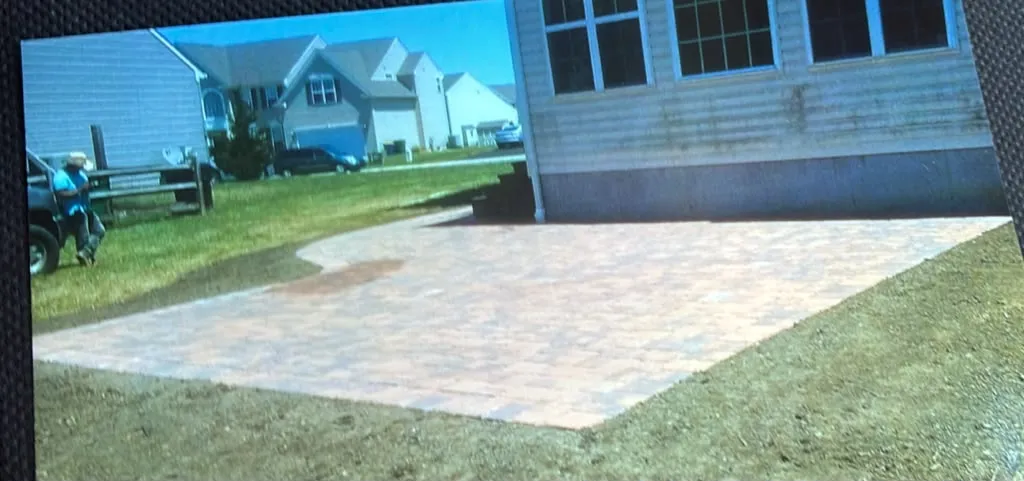
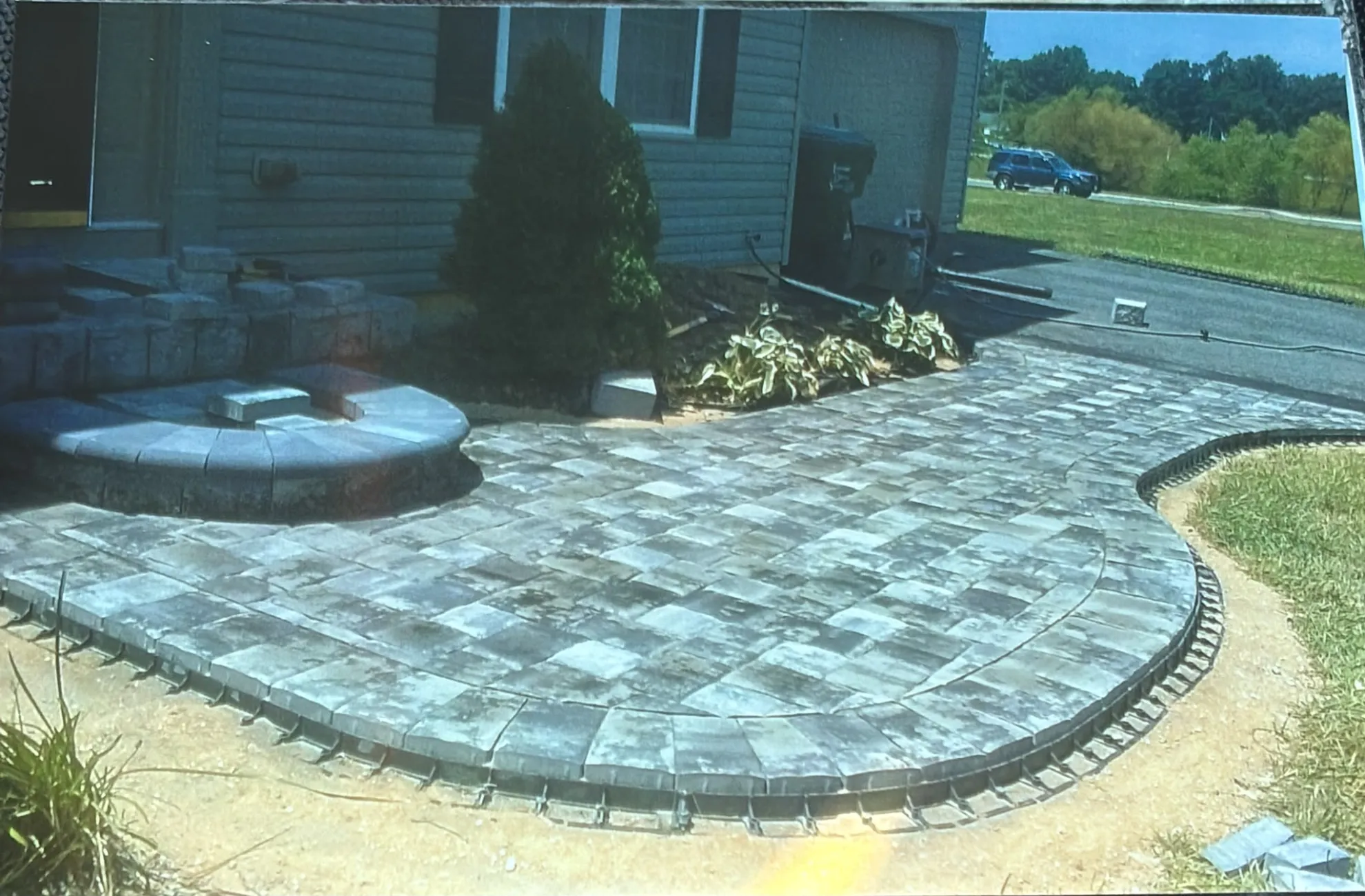
Paver driveways cost the most to install, because it's the same labor intensive process as a paver patio scaled up: deep excavation, a heavy duty compacted base and units set by hand. What you get is a driveway that flexes with freeze and thaw instead of cracking, repairs by swapping single units, and looks that neither asphalt nor concrete can touch. Done right, a paver driveway outlasts both, often decades with minimal fuss. If you damage one, or need to dig under it, pavers lift and reset. For homeowners staying put who want the best long term surface and curb appeal, pavers justify the price. The base has to be built for vehicle weight, though.
How to Decide
Match the material to your priorities. Tightest budget and don't mind maintenance: asphalt. Want durability without paver prices and can accept eventual cracks: concrete. Staying long term, want the best looks and lowest lifetime hassle: pavers. Usage matters too, heavy vehicles and RVs need a base built for the load whatever the surface. And in all three cases, the base work decides how long it lasts. A cheap install on any material fails early. Get a written estimate that spells out the base prep, not just the surface, and a crew that'll tell you honestly which fits your driveway and your budget.