Pavers vs concrete is the first real decision in any patio project, and the answer isn't the same for everyone. Both build a solid patio, but they behave very differently over time, especially in Maryland and Delaware where freeze and thaw cycles work anything set on the ground. Poured concrete is cheaper up front and faster to install. Pavers cost more at the start but handle ground movement, repair easily and tend to last longer. The right pick depends on your budget, how long you plan to stay, and how much you care about how it looks in ten years. This guide compares the two honestly on cost, durability, repairs and appearance, so you can decide based on your yard instead of a sales pitch.
Cost: Up Front vs Long Term
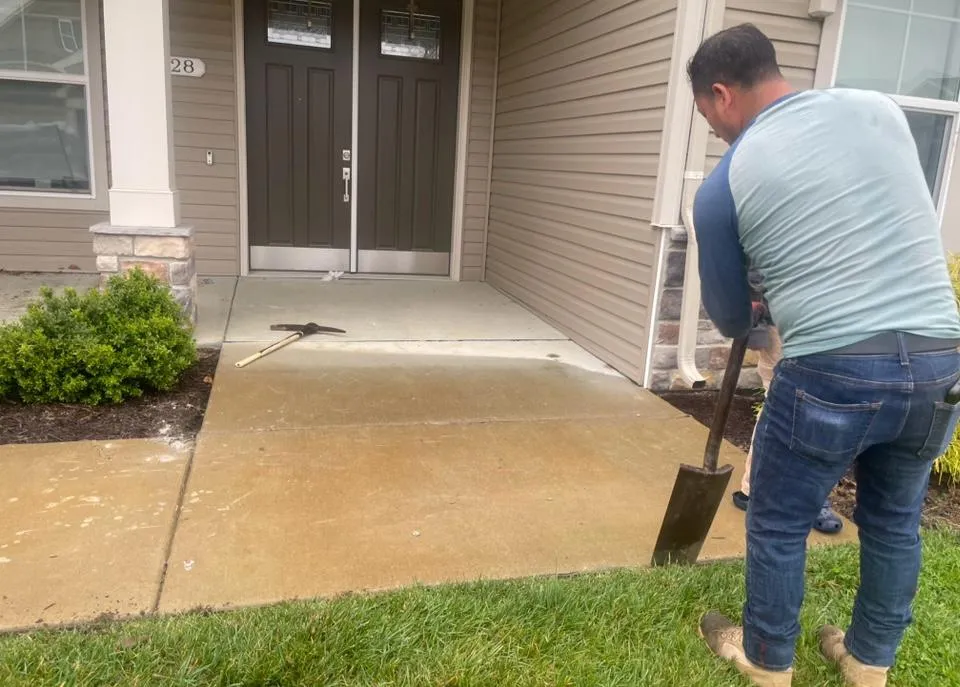
Concrete wins on up front cost, usually running noticeably less per square foot than pavers to pour and finish. Pavers cost more to install because it's labor intensive: excavation, a compacted base, sand setting bed and individual units laid by hand. But the long game looks different. Concrete cracks eventually, and when it does, you patch it visibly or replace whole sections. With pavers, if one gets stained or damaged, you lift and swap a single unit. Over fifteen or twenty years, the cheaper option up front often costs more to maintain. If you're staying put, factor the whole timeline, not just the install invoice.
Durability and Freeze Thaw
This is where Maryland and Delaware weather tips the scale. Poured concrete is a single rigid slab, so when the ground heaves through freeze and thaw, it cracks, and those cracks only grow. Pavers are individual units with sand joints, so they flex with ground movement instead of fighting it. That flexibility is exactly why properly installed pavers stay level here while concrete slabs crack and lift. The catch is the base: pavers are only as good as what's under them. A paver patio on a thin base fails just like bad concrete. Done right on a compacted base with drainage, pavers handle our freeze and thaw far better.
Repairs and Maintenance
When concrete cracks or stains, your options are ugly: patch it and see the seam, or saw out and repour a section that won't quite match. Pavers are the opposite. A stained or cracked unit lifts out and a new one drops in, and once it weathers a season you can't tell. If you ever need to get under the patio, say for a utility line, pavers come up and go back down. Both need occasional care: pavers want their joint sand refreshed and maybe a seal every few years, concrete wants cracks sealed before water gets in and freezes. Pavers ask a little more upkeep but forgive damage far better.
Which Should You Choose
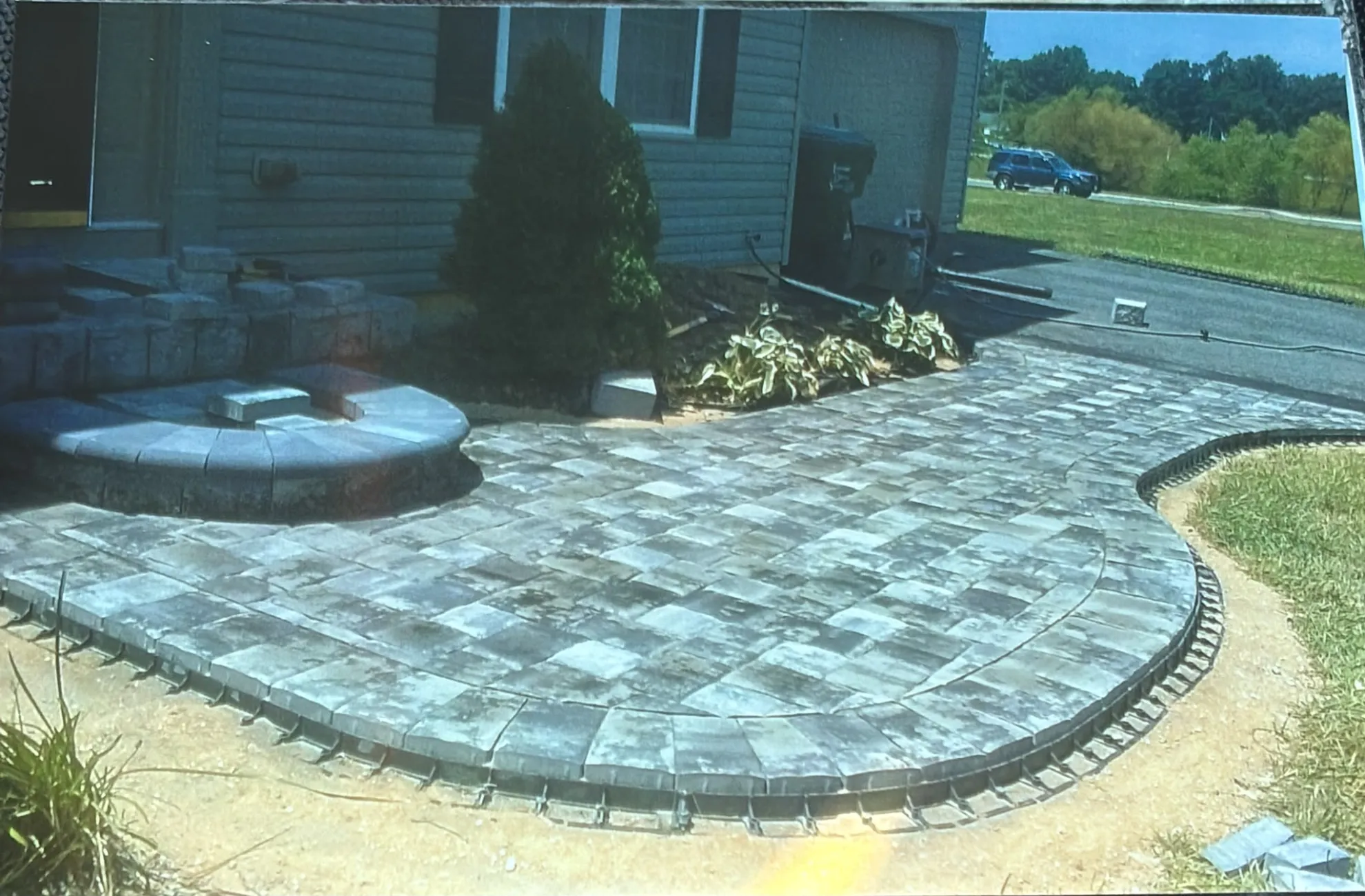
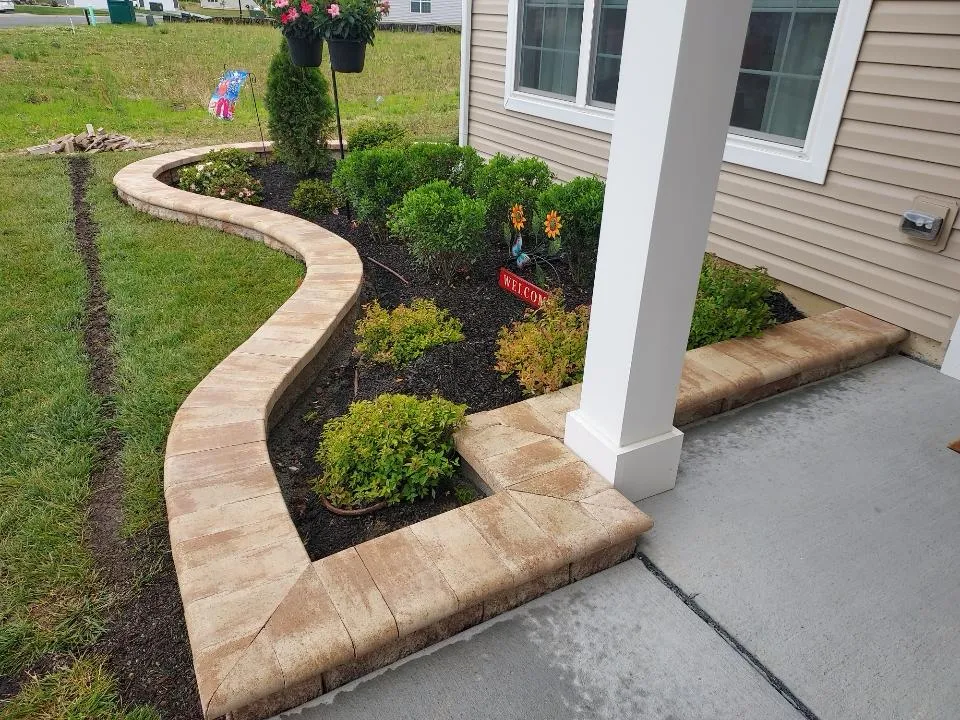
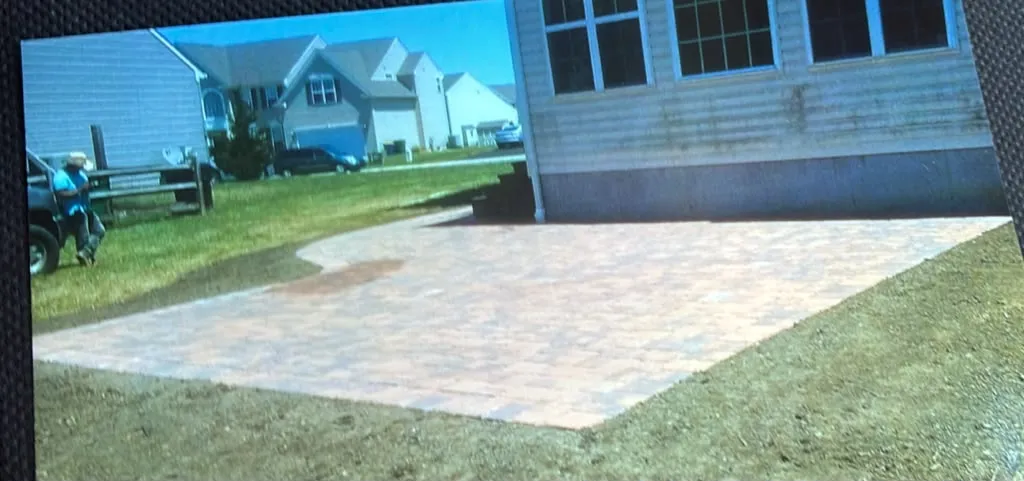
If budget is tight and you want a functional patio now, concrete makes sense, as long as the base is done right and you accept it'll crack eventually. If you're staying in the home, care how it looks long term, or want something that shrugs off our freeze and thaw, pavers are worth the extra up front. Design flexibility also favors pavers: colors, patterns, borders and curves that concrete can't easily match. The honest answer is that both work when installed properly, and both fail when the base is skipped. Talk to a crew that'll tell you which fits your yard and your timeline instead of pushing one.